
Discovering Freeport Manor: Roots in Sacramento’s South Side
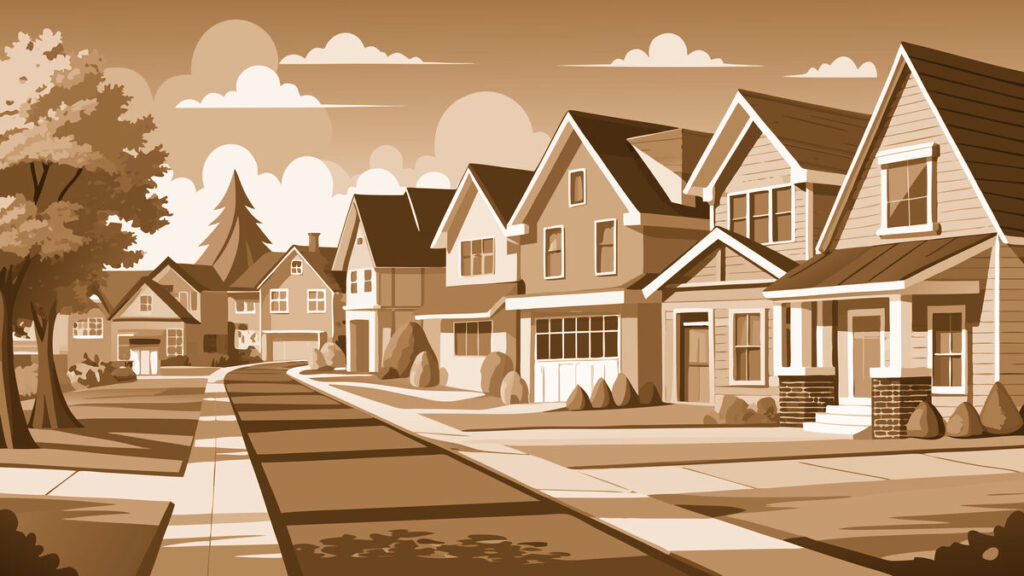
Every neighborhood in Sacramento has its own story, but few capture the enduring spirit of community like Freeport Manor. Nestled just south of downtown, bordered by Freeport Boulevard, 43rd Avenue, and Florin Road, Freeport Manor is a place where history meets hometown pride. Its tree-lined streets and mid-century homes echo with tales of family, determination, and change – a true reflection of Sacramento’s broader journey.
Origins: From Farmland to Family Homes
Long before it became a residential enclave, the land now known as Freeport Manor was part of the vast rural stretch that surrounded the city in the early 20th century. The neighborhood owes its name to nearby Freeport Boulevard, a major route that originally led travelers down to the old port town of Freeport on the Sacramento River. The word “Manor” was likely added during the mid-century subdivision boom, conjuring images of gracious homes and a tight-knit, welcoming community.
After World War II, Sacramento faced a population surge as veterans returned home and families sought the promise of suburban life. Developers were quick to see the appeal of the area — close enough to the city center for an easy commute, but far enough to offer peace and space. Thus, in the late 1940s and 1950s, Freeport Manor began to take shape, with tidy streets like 43rd Avenue and Wendell Way becoming the cornerstone of the neighborhood.
Key Historical Milestones
- Post-war Growth (1940s–1950s): The majority of Freeport Manor’s charming bungalow and ranch-style homes were built in this era. Their modest footprints and generous yards reflected a new American Dream—ownership, community, and a sense of permanence.
- Community Institutions: The area quickly attracted essential institutions. Ethel I. Baker Elementary, established on 43rd Avenue in 1959, became a hub for generations of families, while nearby Sam Brannan Middle School served older students. The sense of belonging was deepened by churches, such as Parkway Church on Belleau Wood Lane, which anchored both spiritual and civic life.
- The Freeport Boulevard Influence: Once a dusty road, Freeport Boulevard blossomed into a commercial artery. Family businesses, local shops, and beloved taquerias mirrored the neighborhood’s diversity and resilience.
Landmarks and Local Treasures
Despite its modest size, Freeport Manor is steeped in character. Among its notable landmarks and beloved spots are:
- Ethel I. Baker Park: A green oasis at the neighborhood’s heart, this spacious park draws families for birthday parties, weekend soccer games, and evening strolls. The playground and shaded picnic spots have witnessed countless memories in the making.
- Legacy Homes: Step down West Scott Avenue or Glide Way, and you’ll spot classic 50s ranch houses, many still boasting original details—arched doorways, hardwood floors, and even retro metal awnings. For longtime residents, these details are reminders of decades past and the neighborhood’s roots.
- Freeport Boulevard Murals: Recent years have seen a welcome burst of public art, including vibrant murals that pay tribute to Sacramento’s agricultural and multicultural heritage. These murals, visible as you stroll down Freeport Boulevard, connect the old with the new.
Evolving With Sacramento
While Freeport Manor began as a traditional suburban enclave, it has adapted seamlessly with the times. The 1970s and 80s brought fresh waves of residents, enriching the neighborhood’s cultural tapestry. Restaurants began serving everything from Mexican staples to Filipino pancit, while annual block parties reflected the growing diversity.
In the last two decades, Freeport Manor has seen a new resurgence. Young families, retirees, and newcomers from across the globe now share these streets. Efforts to revitalize local parks, upgrade schools, and support small businesses have further strengthened the neighborhood’s sense of pride.
- Modern Improvements: Guided by active neighborhood associations, recent years have seen improved sidewalks, street lighting, and traffic calming on key residential streets like 43rd Avenue and Blackrock Drive. Community clean-up days and holiday parades keep the neighborhood spirit alive year-round.
- Proximity to Recreation: The easy access to William Land Park, just a short drive north, as well as the Sacramento Zoo and Bing Maloney Golf Course, means that residents can enjoy big-city amenities without venturing far from home.
What Makes Freeport Manor Special Today
Ask any longtime resident, and they’ll tell you Freeport Manor is about more than cozy homes and leafy streets. It’s the friendly nods from neighbors tending their roses, the sound of children playing in Ethel I. Baker Park, and the familiar faces you see at local corner stores. The shared history—whether rooted five generations back or just five years in—creates connections that truly make this neighborhood feel like home.
Community events, like neighborhood yard sales or the multicultural food festivals at Ethel I. Baker Elementary, bring people together and reflect the neighborhood’s open-hearted character. The gentle evolution of Freeport Manor is a testament to Sacramento’s ability to honor its past while embracing the future.
Living the Legacy
As Sacramento continues to grow and change, neighborhoods like Freeport Manor stand as living reminders of the city’s enduring values—diversity, hospitality, and community resilience. Its journey from farmland to family enclave, through generations of change, is etched into every tree-lined block and cheerful front porch.
For those lucky enough to call Freeport Manor home, the history isn’t just something you read about—it’s alive, unfolding every day, and welcoming to all. That’s the real story of Freeport Manor: a Sacramento neighborhood where heritage and hope continue to flourish, one family at a time.